
The concept of Naked Tango has nothing to do with dancing in the nude (although you should probably try that at least once). It is about learning how to dance and discovering what makes tango so unique and special, without having to adopt rules and conventions that only made sense back in 1930s Buenos Aires.
Confused? You are not alone.
Tango is a dance that began to emerge in the late 19th century in South America, evolving and adapting from a plethora of folk dance influences that travelled there from around the world. It took these and unconsciously merged them into the earliest form of what we now know as tango, and then shaped them into a national identity that incorporated the cultural and societal mores of the time. There were rules about how men and women socialised, rules about how to ask someone to dance without causing offence, and rules about how to behave - and what to do if someone misbehaved - on the dance floor. Like most places at the time, early 20th century Argentina was socially regulated.
This continued until the 1950s when the geopolitical situation in Argentina changed, and the law of unintended consequences meant that tango effectively became illegal, at least in terms of social gatherings. Tango stopped, and that might have been it for this unique dance form.
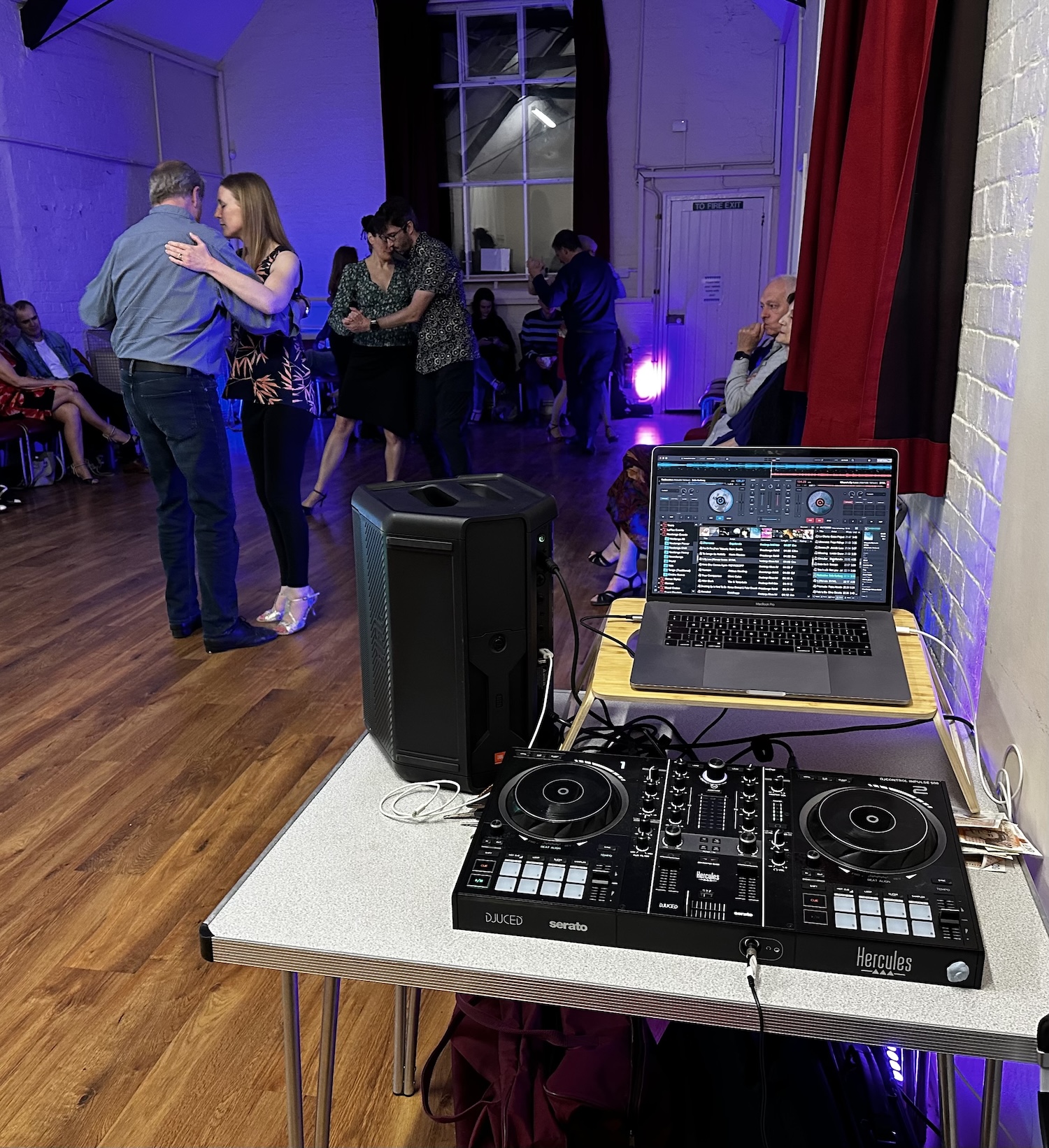
In the 1970s the restrictions were lifted and some people did return to dancing, but it was not until the unexpected success of a dance show called 'Tango Argentino' that was performed in Paris in 1983 that the dance came back to the world!
You can read more about this history and the unexpected revival in Graham's book Neotangology which is being released in serialised form on the neotangology.dance website.
But when people started wanting to dance tango again they wanted to dance it in the way that they had seen performed on the stage. This meant that they wanted to dance to the traditional or vintage music, and wanted tto dress like the people they had seen perform, but also it meant that they wanted to try to recreate the feeling of being in those early dance clubs. And that included following all the social rules of the time like a form of historical re-enactment, even though they were no longer relevant.
The classes that appeared as a result of the show did not just teach people to dance. They analysed the music and told people that tango was not tango if you danced it to anything else. They implemented the Codigos and said that to do it any other way was wrong because tango was special and unique. They told anyone who dared to challenge the 'one true way' that they were wrong and did not understand the uniqueness of tango. Tango, they said, had stopped evolving, and nothing that happened after tango had begun to return could be allowed to effect any change on the dance.
In the early 2000s a new tango movement began to evolve. This was Neotango, a modern almost rebellious take on tango that preserved the dance but moved away from the imposed traditions. The old school hated it and opinion was split, but Neotango was here to stay, and there are growing numbers of us who use this as the basis of our tango approach.
But the problem with 'neotango' as a name is that it sounds too technical, and people who do not already know tango have no idea what it is likely to mean. So instead we call it Naked Tango.
No traditions. No fuss. No insistence on old music. No codigos or rules that only made sense in their original time.
Just Naked Tango. The dance, the fun, the creativity, the versatility... and nothing else.